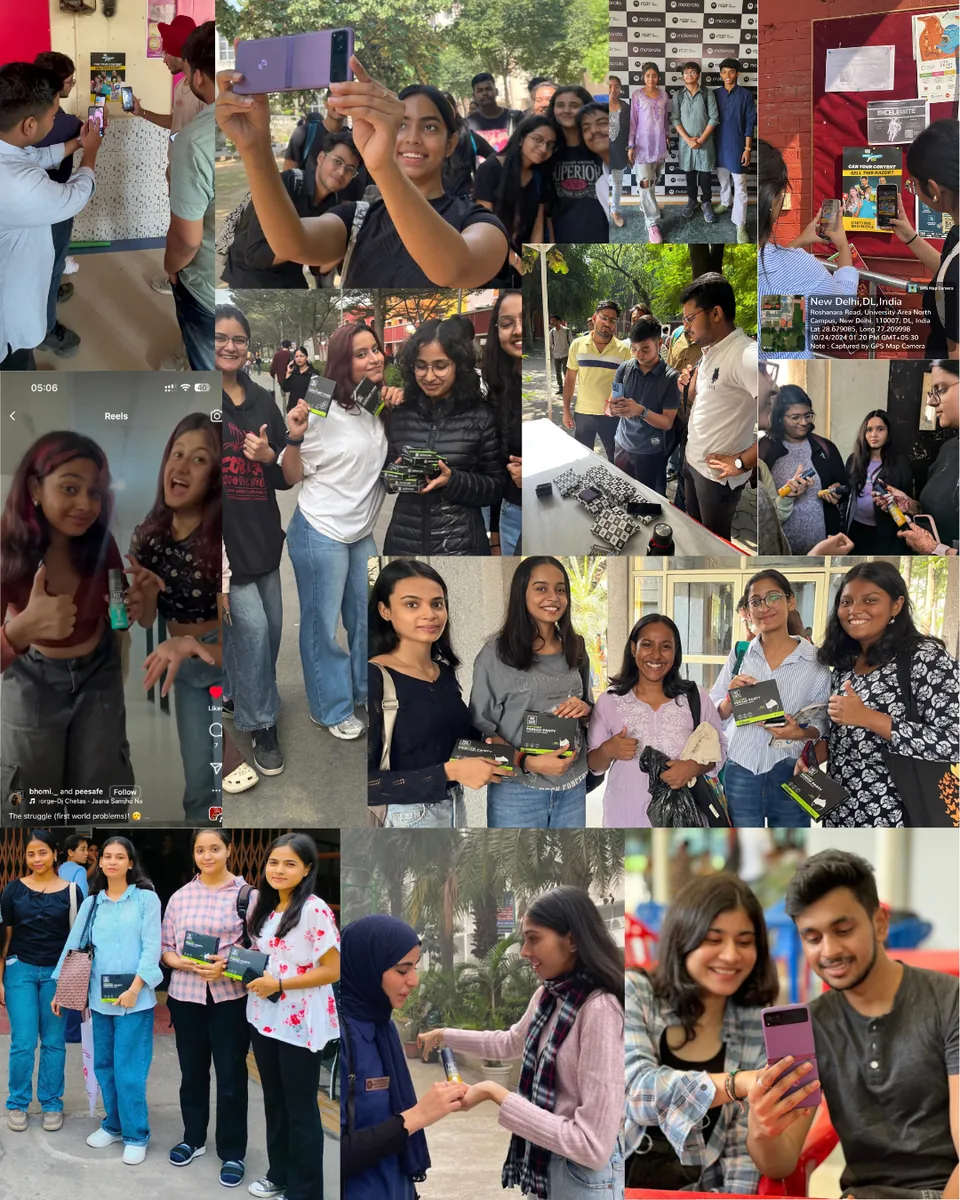
Ask any brand where its best Gen Z creators came from and the honest answer is usually “we found them by accident”. A student posted something about the product, it did numbers, someone in marketing noticed, a DM went out. That is a lottery, not a strategy.
We have 100K+ campus ambassadors and 50K+ Gen Z creators in our network, and the overlap between the two lists is the most valuable asset we own. The ambassadors who become creators are the ones who make the campaigns work. This piece is about building that overlap on purpose: a pipeline that takes a second-year student in a hostel and turns them into a reliable nano creator with a brand relationship, in one semester.
Why the best Gen Z creators start on campus
A campus ambassador is a creator with a captive audience. Their followers are not strangers; they are classmates, hostel mates, juniors and seniors. When they post about a product, the comments come from people who will see them in the canteen tomorrow. That accountability is exactly why the content is believed.
They also have what most creators lack: a place. Studio creators post from a bedroom with a ring light. Campus ambassadors post from the library at 2 a.m. during end-sems, the fest ground, the hostel mess, the placement cell queue. The setting does the storytelling. A phone reviewed by a creator in a studio is a phone. A phone that survived a fest week in Pune is a story.
And they are cheap to find, because they are already in a programme. A campus marketing programme with ambassadors in 500 colleges is, whether the brand realises it or not, a creator talent scout running in 500 cities at once.
Why campus-origin content outperforms studio content
We see the same pattern across categories, from edtech to personal care to two-wheelers. Campus-origin content does better on the metrics that matter, and here is why.
- It has a location Gen Z recognises. Hostel corridors, college gates, the chai tapri outside. The viewer has been there, or somewhere exactly like it.
- It is shot in the language of the campus. Hinglish, in-jokes, the specific slang of that college. No agency copywriter can brief this; it has to come from inside.
- The creator is answerable. If they oversell, their own batch roasts them in the comments. So they do not oversell, and the audience can tell.
- It arrives at the moment of need. A reel about a budgeting app during placement season, a reel about an energy drink during end-sems, a reel about a dating app before the fest. Ambassadors know the calendar because they live it.
- It comes with distribution built in. The ambassador forwards it to the class group and the hostel group. That is 300 to 500 views from exactly the right people before the algorithm does anything.
A studio creator has followers. A campus ambassador has witnesses. Witnesses convert.
Stage 1: Recruit for voice, not follower count
The mistake most brands make when building an ambassador programme is to filter by followers. A student with 8,000 followers who posts aesthetic photos of coffee is less useful than one with 600 followers who posts a weekly rant that the whole batch watches.
We recruit on three signals: do they already post, does their posting have a point of view, and do their classmates engage. Then we look at where they are. We want spread across the 10K+ colleges in our network, across Hyderabad, Chennai, Kolkata, Jaipur, not fifty ambassadors in the same Delhi University college.
Screening is a 15-minute video call plus a one-reel assignment with a real brief. The reel tells you more than the CV. Students who ignore the brief and do something better are the ones you want.
Stage 2: Brief like a creative director, not a compliance officer
The second mistake is the brief. Brands hand ambassadors a 12-page PDF of key messages, mandatory hashtags and “do not say” lists, and then wonder why the content looks like a corporate reel with a student in it.
A good brief for this audience is one page. What is the product, what is the one thing we want people to feel, what is true about it that you can test yourself, what is the call to action and code, and what are the three things you legally cannot claim. Everything else is theirs.
Then you give them the product, properly. Not a sample sachet, the actual thing, two weeks before you need the content. A creator who has not used the product makes an ad. A creator who has lived with it makes a review. Our creator UGC briefs are built this way, and the rights clause is in the brief, not in a separate contract they will never read: the brand can run the content as paid creative for a defined period, and the creator is told so upfront.
Stage 3: Pay fairly, pay fast, pay in tiers
Students talk about money, constantly, in groups you are not in. If you pay late, every ambassador in that college knows by dinner. If you pay unfairly, the programme dies by the next semester. If you pay fast and visibly, the programme recruits itself.
The structure that works is tiered and transparent: a base stipend for the semester for being in the programme and doing the on-ground work, a per-deliverable fee for content that meets the brief, and a performance layer for outcomes (signups via their code, referrals, content that gets picked up as an ad). Pay through UPI within a week of the deliverable being accepted. Publish the tiers so everyone knows what the top ambassadors are making and why.
For the performance layer, give each ambassador a unique code or link and show them their own dashboard. The ones who climb the leaderboard are your creator shortlist, and they already know it.
Stage 4: Graduate the top performers into the creator roster
By mid-semester, a programme of 500 ambassadors will have 30 to 50 whose content is clearly outperforming. This is the pipeline’s output. Move them, explicitly, into a creator tier with different terms: higher per-piece rates, longer-term relationships, a say in the creative, early access to launches, and the invitation to work with other brands in the same portfolio.
The graduation should be a moment. A call, a certificate if that is the culture of their college, an introduction to the brand team. The remaining ambassadors see the path and work harder. The graduates become the backbone of the next influencer marketing wave, and they carry campus credibility into it that no agency-sourced creator has.
Over two or three semesters, the brand ends up with a creator roster that it built, that it knows, that costs less than market and performs better, because every one of them was a witness before they were a face.
A pipeline checklist
- Recruit ambassadors on voice and classmate engagement, not follower count, with geographic spread across cities and college types.
- Screen with a one-reel assignment against a real brief.
- Brief on one page: product, feeling, truth, CTA and code, three cannot-say rules. Nothing else.
- Put the real product in their hands two weeks before the deliverable.
- Pay in three visible tiers (stipend, per-piece, performance) by UPI within a week.
- Give every ambassador a unique code or link and a dashboard.
- Graduate the top 5 to 10 percent into a creator tier each semester, with new terms and a ceremony.
- Run the whole thing as one programme with one report, not as a campus activity and a separate creator campaign.
This is the core of how we do Gen Z marketing: campus first, creator second, with the same people in both. We have run versions of this pipeline for Motorola, Pee Safe, Unstop and StudyIn, among others, and the pattern holds across categories. If you want to build one rather than keep winning the lottery, that is what a Gen Z marketing agency with a real campus network is for.
FAQ
What is a campus to creator pipeline?
A structured programme where students recruited as campus ambassadors are briefed, paid and tracked so the best performers graduate into a brand’s nano creator roster; see our campus marketing service.
How much should brands pay campus ambassadors in India?
Pay in three visible tiers: a semester stipend, a per-deliverable fee for content that meets the brief, and a performance layer tied to codes and referrals, all paid by UPI within a week.
Why does campus creator content perform better than studio content?
Because the creator is answerable to classmates, posts from places Gen Z recognises, speaks the campus’s own Hinglish, and forwards the content into class and hostel groups before the algorithm does anything.