What is Gen Z marketing?
Gen Z marketing is the practice of reaching, engaging and converting people born between roughly 1997 and 2012, which in 2026 means everyone aged about 14 to 29, and for most brands the commercially useful slice of 18 to 26. It is not a media plan with a younger age filter. It is a different set of channels (reels, group chats, campus, creators), a different trust model (peers over celebrities, proof over polish) and a different purchase path (phone first, UPI, quick-commerce, try-before-you-commit).
In India the stakes are unusual. Roughly 375 million Indians were born in the Gen Z window, the largest Gen Z population of any country. About 43 million of them are enrolled in higher education right now, concentrated in a few thousand campuses, and the rest are in their first jobs, first businesses or first years of running a household. For fintech, edtech, D2C, FMCG, fashion, beauty, gaming, mobility and consumer electronics, the first purchase or first account is made in this window, and the habit formed here lasts a decade.
GenZ Marketing exists to do only this. We are the Gen Z-only brand of the team behind Youthfluence, and this guide is the thinking behind every service on this site, from campus marketing to app user acquisition.
Gen Z vs millennial marketing: what actually changes
Millennial marketing in India was built on Facebook, YouTube pre-rolls, celebrity endorsements and e-commerce sales. Most of that still works on millennials. It mostly fails on Gen Z, for five reasons.
- Discovery is social-first, search-second. A Gen Z consumer hears about a brand in a reel, a Discord server or a class WhatsApp group before they ever search for it. Search confirms; it rarely introduces.
- Trust comes from people who look like them. A nano creator from their own college outperforms a film star for a first trial. The content has to feel shot on a phone by a person, not produced by a brand.
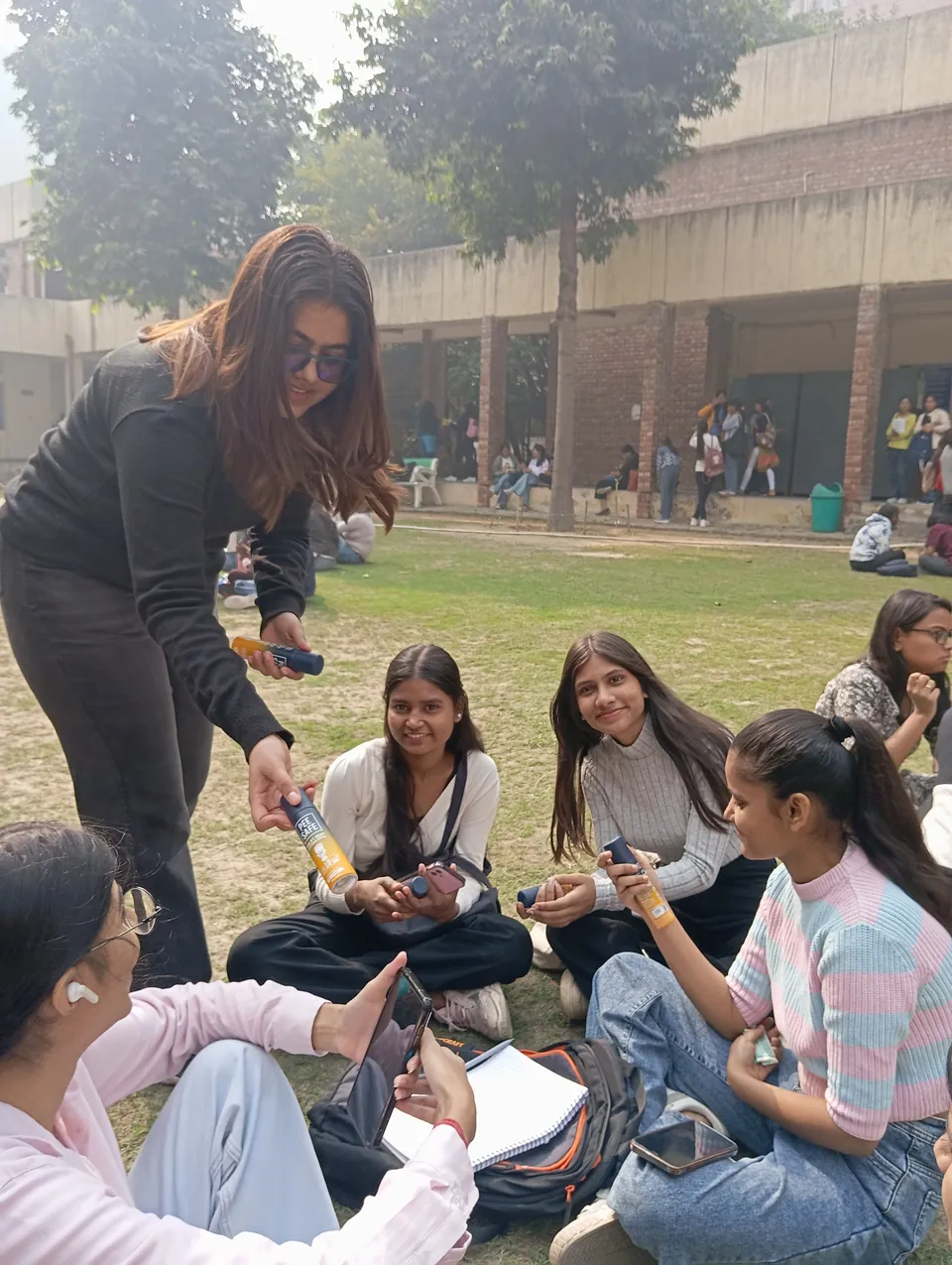
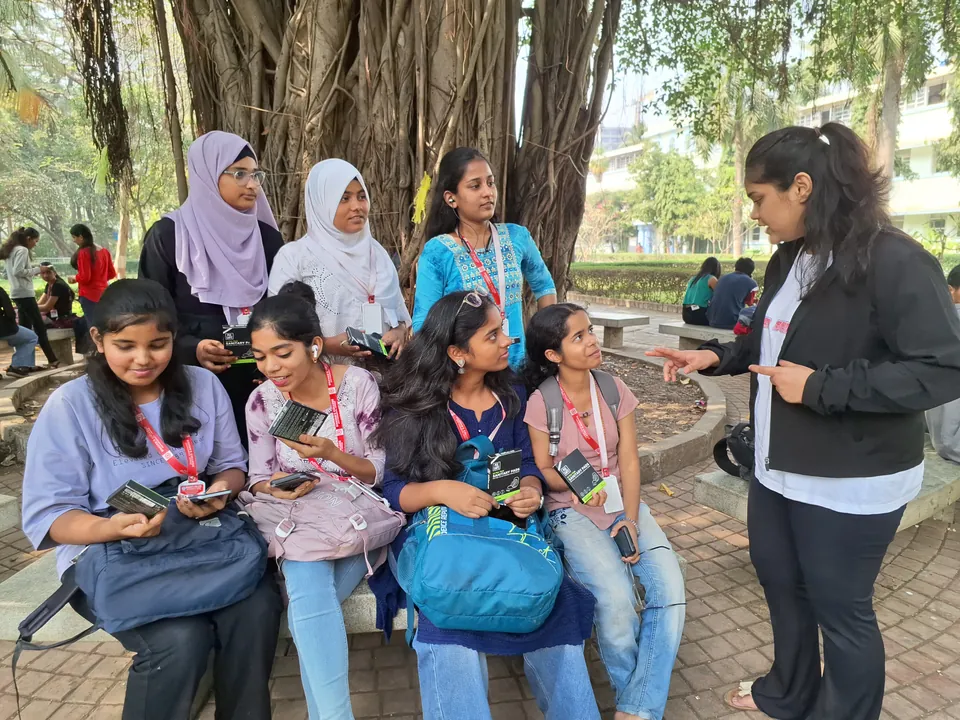
- The campus is a mass medium. 43 million students in a few thousand campuses is a density no digital channel matches. A fest or a canteen activation is a live audience that then posts about it.
- Participation beats impressions. Gen Z wants to be in the campaign: a challenge, an ambassador role, a community, a vote. Being shown an ad is the weakest possible relationship.
- Money moves differently. UPI by default, quick-commerce for the first purchase, BNPL and split bills, small frequent spends. Price sensitivity is real, but so is willingness to pay for identity.
We go deeper on this in Gen Z vs millennial buying behaviour in India. The practical conclusion: you cannot retarget your way into Gen Z. You have to show up where they already are, with people they already trust, and give them something to do.
The Gen Z marketing channels that work in India
There are eight channels we run, and most good campaigns combine three or four. Each has its own page on this site.
- Campus marketing: activations, fest sponsorships, ambassador programmes and society tie-ups inside 10,000+ colleges. The highest-density Gen Z channel in the country.
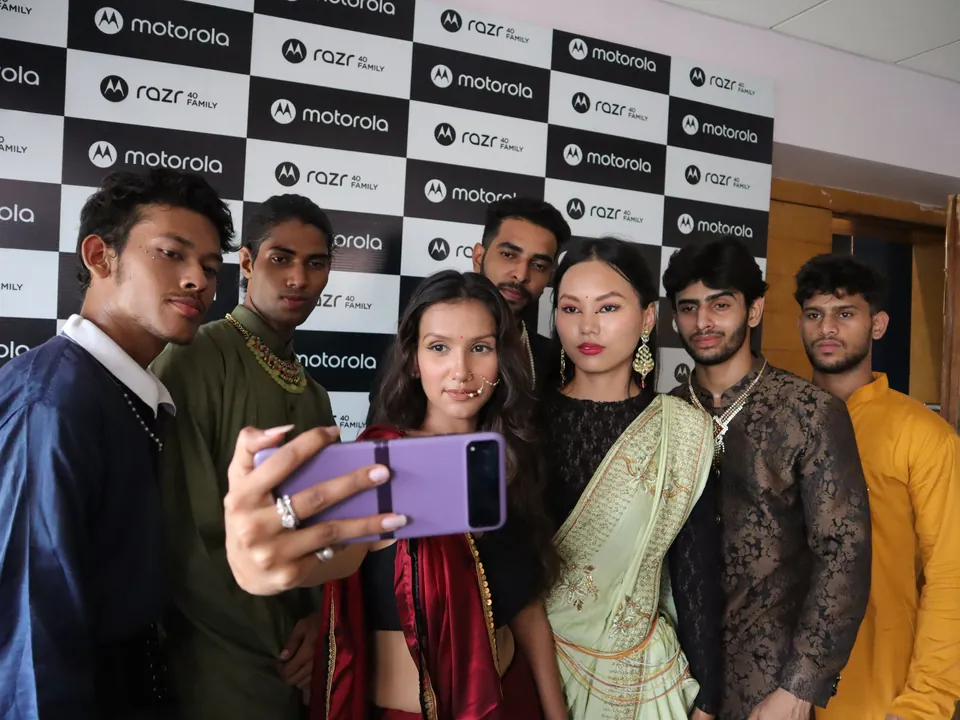
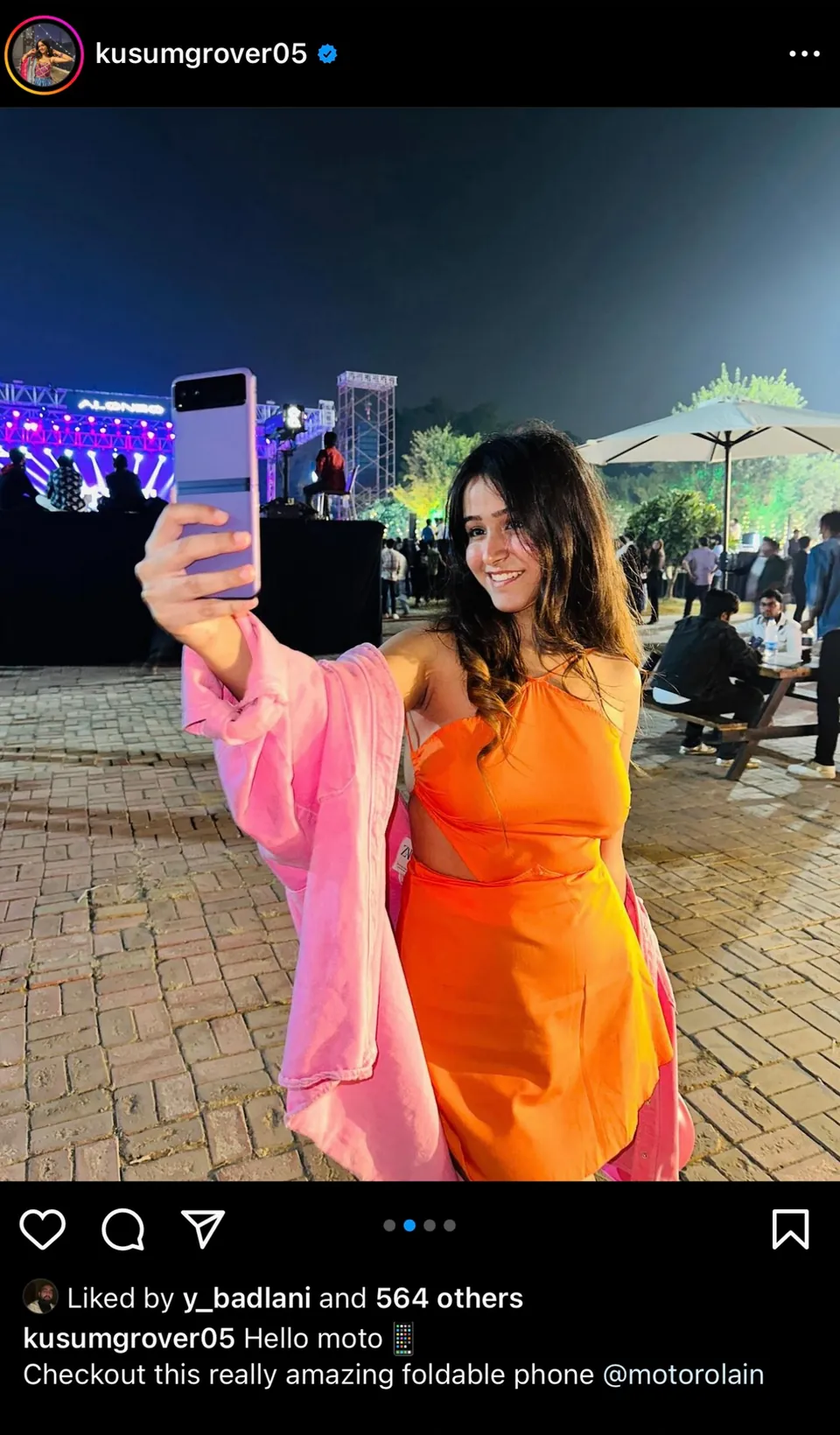
- Influencer marketing: nano and micro creators matched to the audience, not the follower count, briefed for trial and action rather than vanity reach.
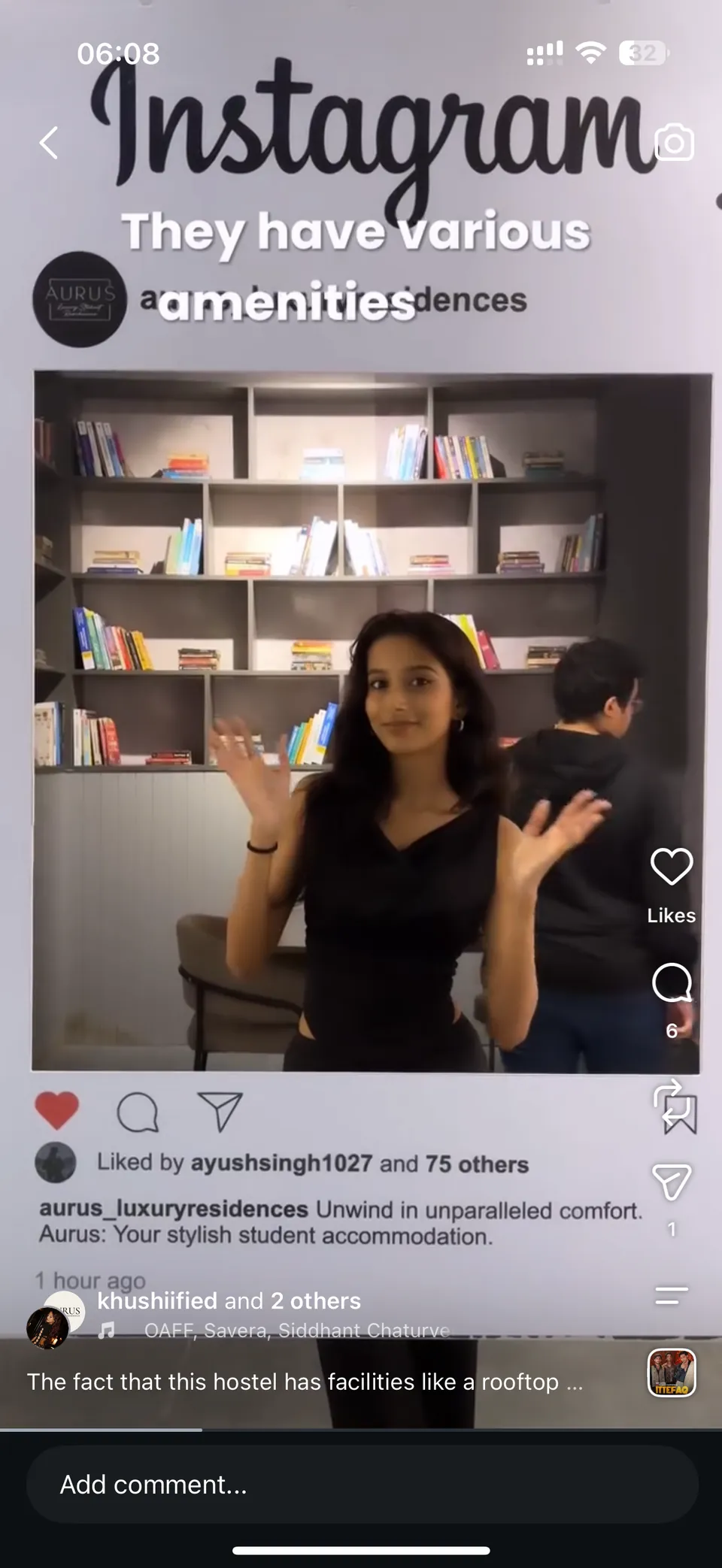
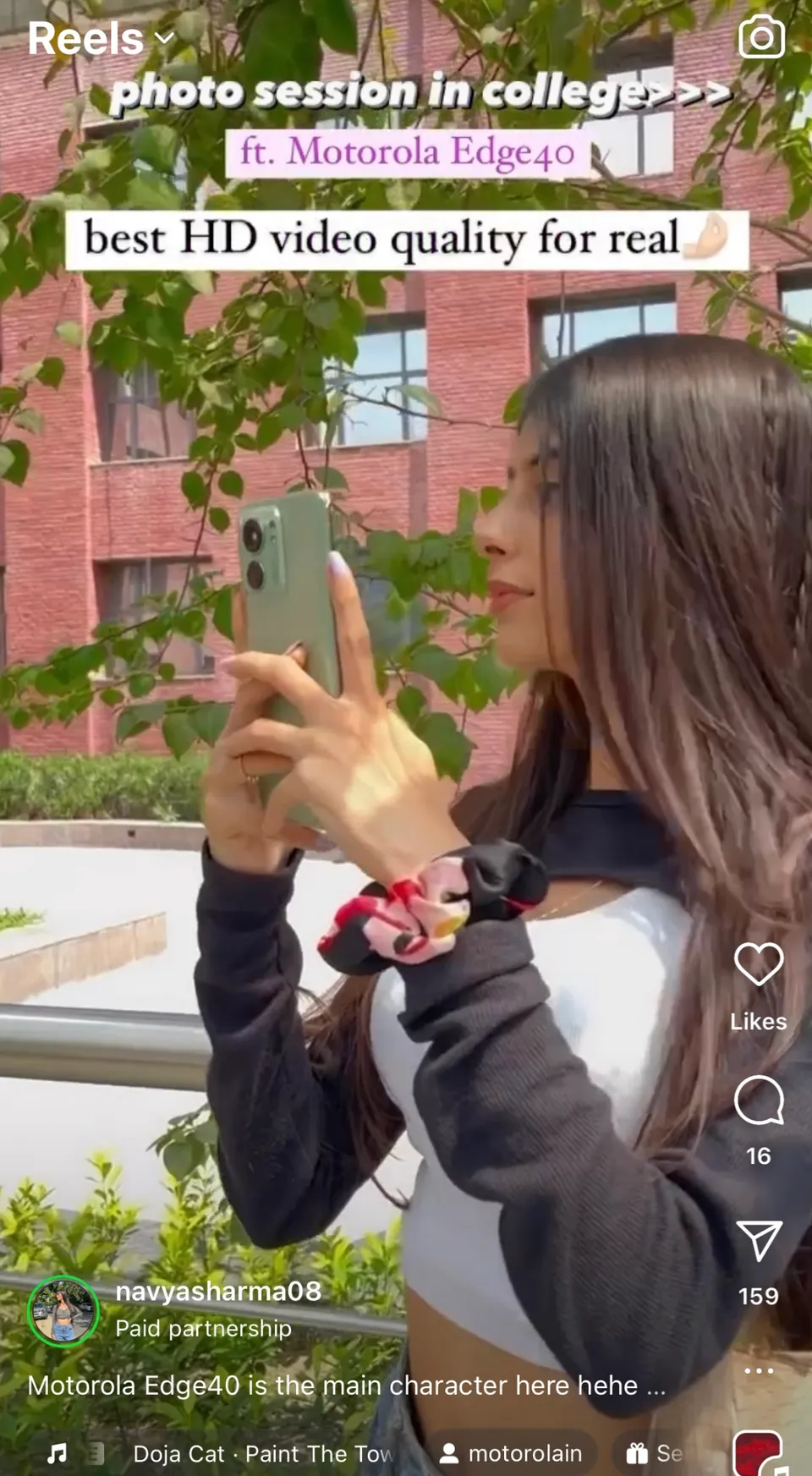
- Creator and UGC content: a pipeline of student creators producing reels, reviews and unboxings you can run as paid media and on your own handles.
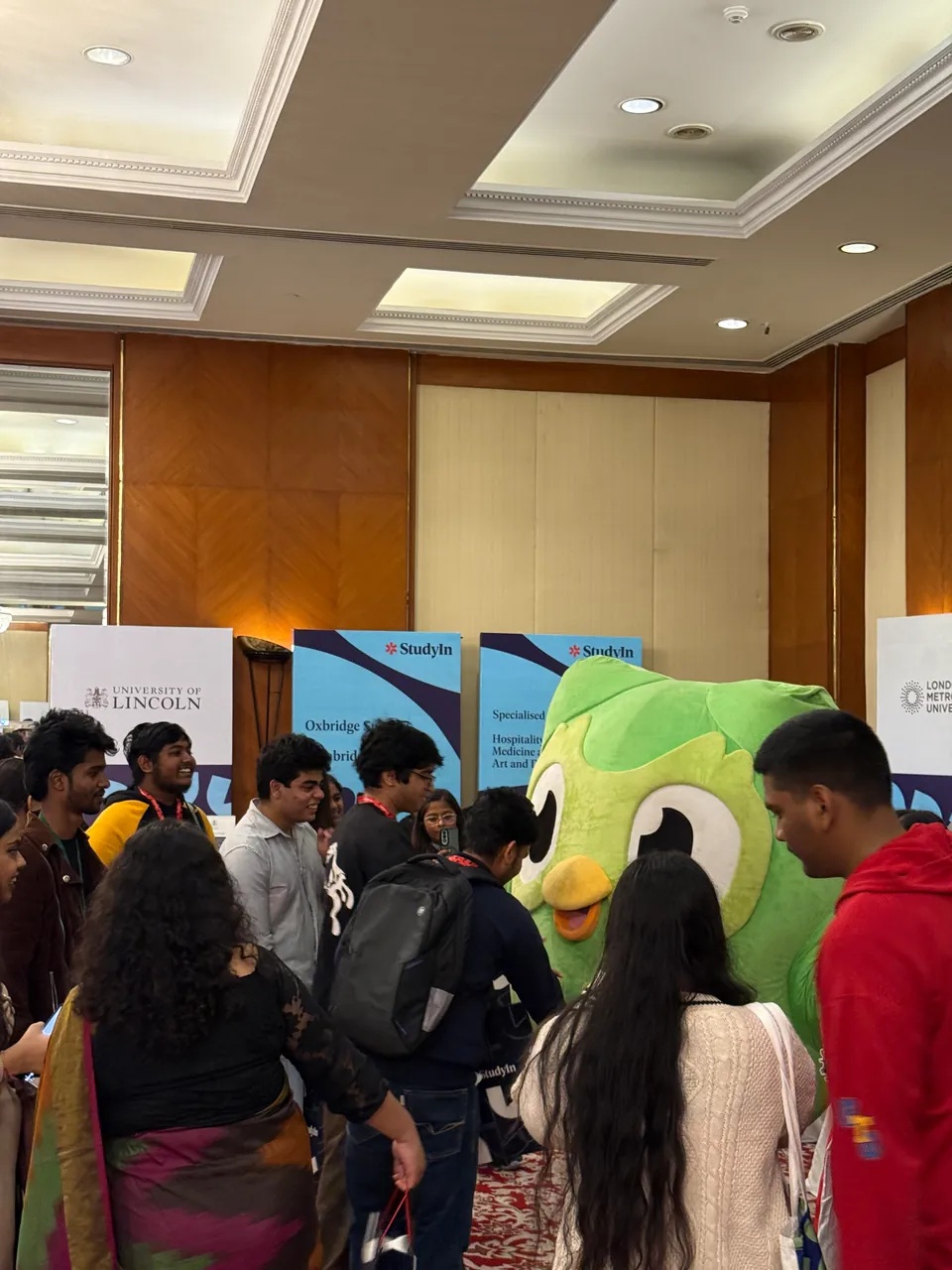
- Community marketing: WhatsApp groups, broadcast channels, Discord servers and campus communities where Gen Z actually talks, entered with permission and value.
- App user acquisition: installs, signups, KYC completions and first transactions from campus and creator channels, priced per action.
- Brand strategy and research: focus groups, campus panels, creator roundtables and positioning work before the campaign, so the campaign is right.
- Social media marketing: Instagram, YouTube Shorts, Snapchat and vernacular platforms run with a Gen Z content system, not a corporate calendar.
- Sampling and activations: product in hand at campuses, hostels, co-working spaces and events, with feedback and repeat intent measured.
Gen Z in India: the data that should shape your plan
A few facts drive most of our planning decisions. India’s Gen Z is the largest in the world by population and is majority non-metro: more of them live in tier-two and tier-three cities than in Delhi, Mumbai and Bangalore combined, which is why our city pages cover Indore, Lucknow, Bhubaneswar, Guwahati and Dehradun alongside the metros. Smartphone and UPI penetration in the 18 to 26 band is close to universal in cities and high in towns. Instagram is the primary discovery feed, YouTube the primary research tool, WhatsApp the primary conversation layer, and vernacular platforms matter the moment you leave the top ten cities.
The campus calendar is the other hard constraint. Admissions and fest season run August to October, the second fest window is January to March, and exams and summer empty the campuses in April, May and December. A plan that ignores this calendar loses half its audience before it starts. We cover the full trend picture in Gen Z marketing trends in India for 2026.
Gen Z marketing by industry
The playbook changes with the category, because the first purchase changes. For fintech the goal is a completed KYC and a first transaction, usually from a final-year student or a first-jobber. For edtech it is a trial class or a test-series signup inside the exam calendar. D2C and FMCG need trial, so sampling and quick-commerce tie-ins matter most. Fashion and beauty run on creators and identity. Consumer apps need installs that retain, and gaming and OTT live in Discord and hostel rooms. Each industry page lays out the plays we use.
What Gen Z marketing costs in India
Honest ranges, because most agencies hide them. A single-city campus pilot across five to ten colleges runs ₹2 to 5 lakh. A creator campaign with 30 to 60 nano and micro creators runs ₹3 to 10 lakh depending on deliverables and usage rights. A multi-city programme combining campus, creators and community typically starts at ₹15 lakh and nationwide waves run ₹50 lakh upwards. App user acquisition is priced per install or per action, with minimum commitments. We detail the bands, what is included and what to ask on the Gen Z marketing agency page.
How to brief a Gen Z marketing agency
A good brief is short. Five things are enough for us to send a plan within 48 hours.
- The product and the single action you want (install, signup, sample, purchase, lead, content).
- The audience inside Gen Z: age band, student or working, cities, course or interest clusters.
- Timing, with the campus calendar in mind.
- An indicative budget band, so the plan is sized correctly instead of generically.
- What success looks like in a number, and how you will attribute it (promo codes, UTMs, ambassador IDs). Our guide to measuring Gen Z campaigns covers this.
Then ask the agency three questions: who exactly will be on the ground, how creators and ambassadors are paid and tracked, and what the report will contain. If the answers are vague, the campaign will be too.
Where we run Gen Z marketing
GenZ Marketing is headquartered in New Delhi and runs campaigns across 200+ cities through the Youthfluence network. The eighteen city playbooks on this site, from Delhi, Mumbai and Bangalore to Kochi, Bhubaneswar and Guwahati, each name the real colleges, neighbourhoods, fests and brands that shape a campaign there.
Start here
If you want to reach 18 to 26 year olds in India, the shortest route is a brief. WhatsApp the team, call +91 97112 38245 or use the form below. You will have a plan and an indicative budget within 48 hours, and no obligation.