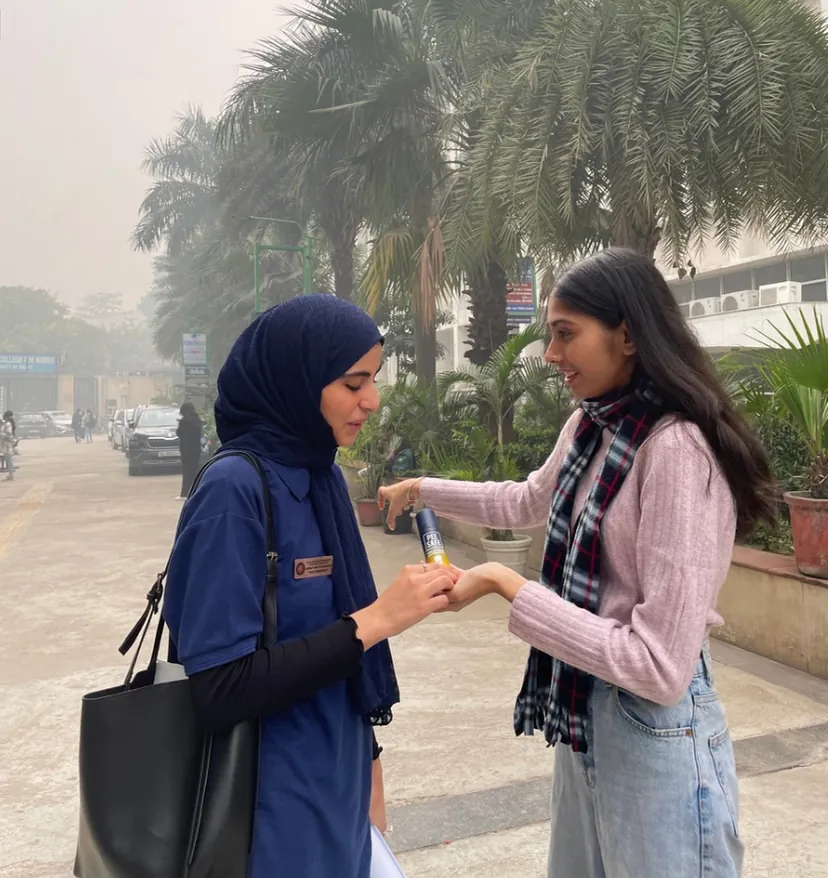
Why sampling still works best with Gen Z
Gen Z researches everything on a screen and still decides with their hands. For snacks, beverages, personal care, grooming, beauty and consumer electronics, the first purchase usually follows a first use, and the first use usually happens because someone handed the product over at the right moment. A sample at a hostel gate at 7 pm beats a hundred impressions at lunch.
Done properly, sampling is also a data and content engine. Every sample comes with a QR survey and a coupon, every drive is filmed by student creators, and every drop point reports footfall and redemptions. That is how a sampling programme becomes the on-ground spine of a wider Gen Z marketing plan rather than a box of freebies at a gate.
What Gen Z sampling and activations include
We run the whole drive, from product receipt to the final report, with permissions, people and logistics on our side. You approve the plan and the creative.
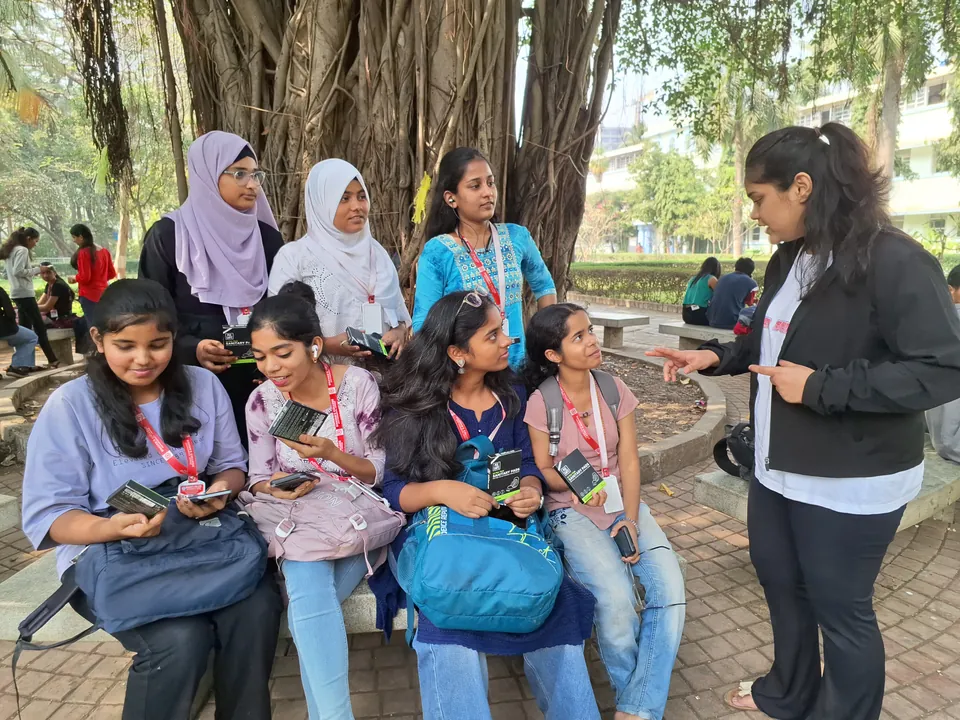
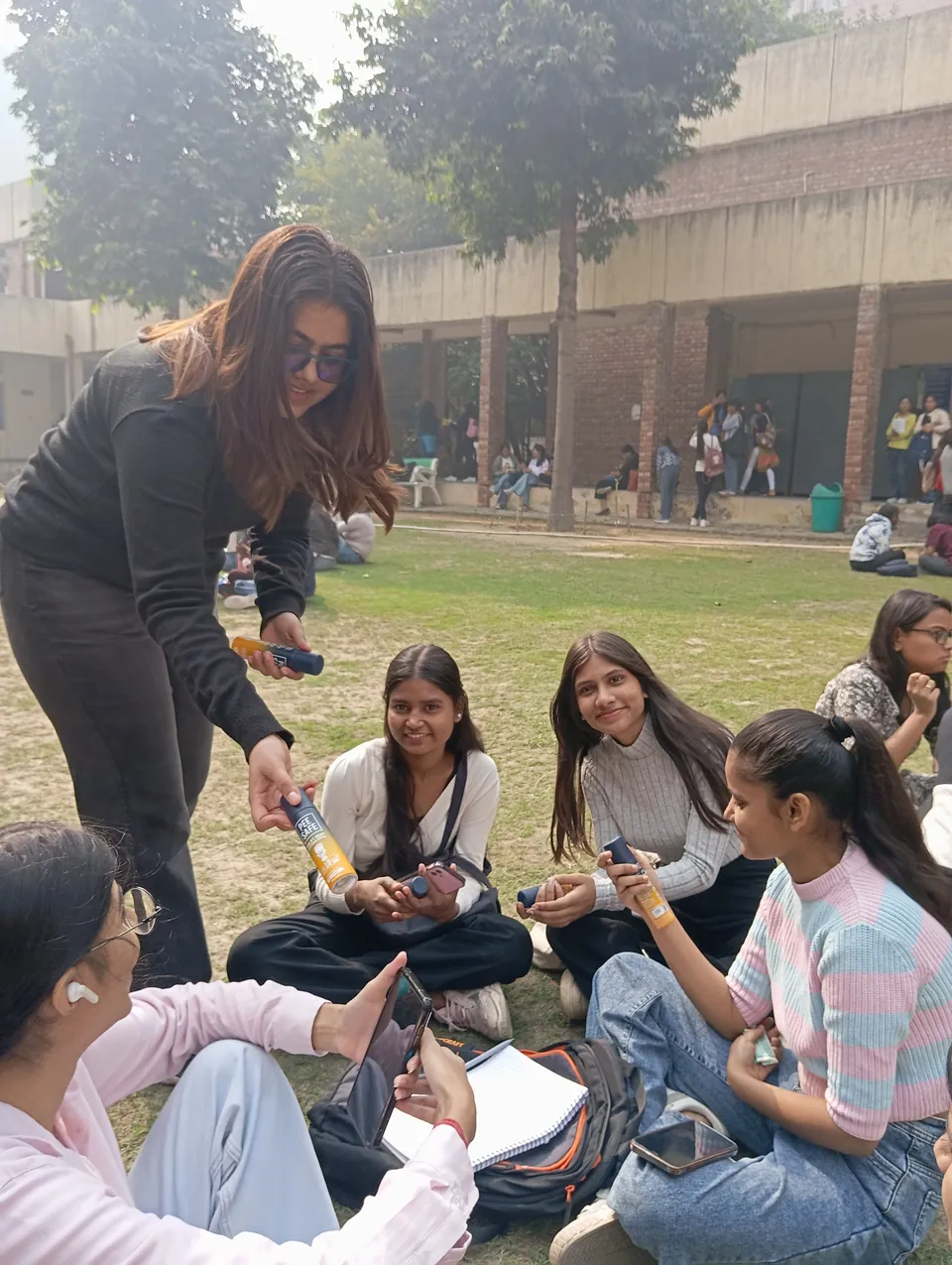
- Campus sampling: gates, canteens, libraries and hostels in 10K+ colleges, with timings planned around the college day. The wider programme is on our campus marketing page.
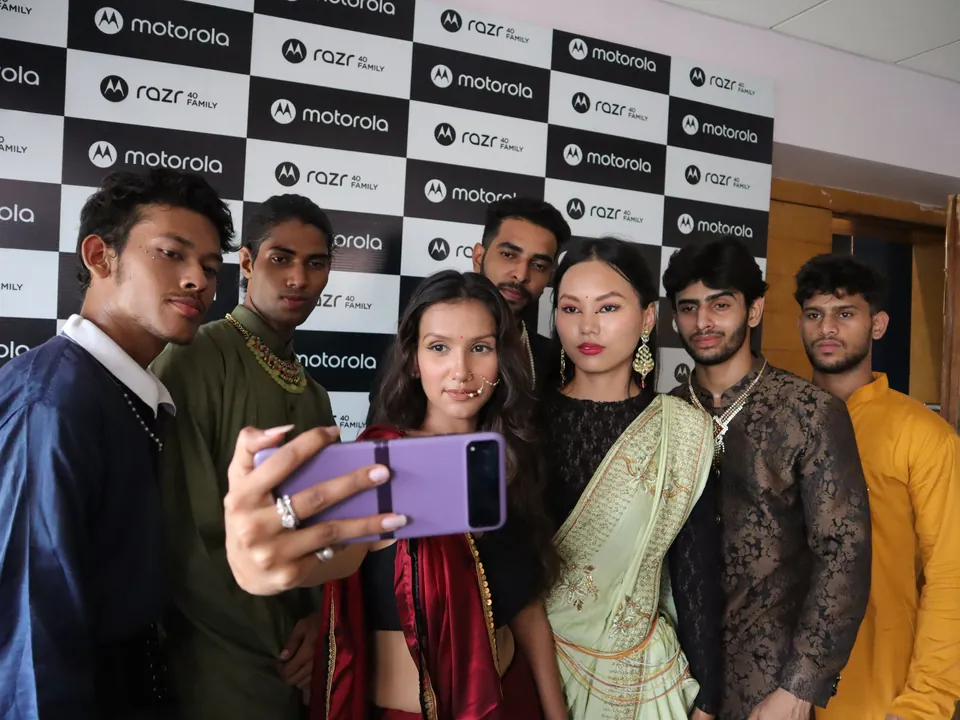
- Fest activations: experience zones, product bars, demo counters and stage moments at cultural, tech and sports fests that pull 10,000 to 50,000 students over three days.
- Youth hub activations: cafes, gaming lounges, co-working floors, gyms and PG clusters, for brands targeting first-jobbers rather than students.
- Feedback capture: QR-led surveys, coupon codes, signups and app installs attached to every sample so trial can be traced to purchase.
- Content: student creators from our creator and UGC bench shoot reels and stories at every drive, licensed for your channels.
- Logistics: warehousing, dispatch to 200+ cities, promoter recruitment and training, waste tracking and photo-verified reporting.
Sampling that leads to a second purchase
The difference between sampling that sells and sampling that gets thrown away is what happens in the thirty seconds after the handover. A trained promoter who says one specific thing, a coupon that works at the nearest store or on the app, a creator who films the reaction, and an ambassador who follows up in the hostel group that night. We build all four into every drive, which is why our clients see redemptions, not just distribution numbers.
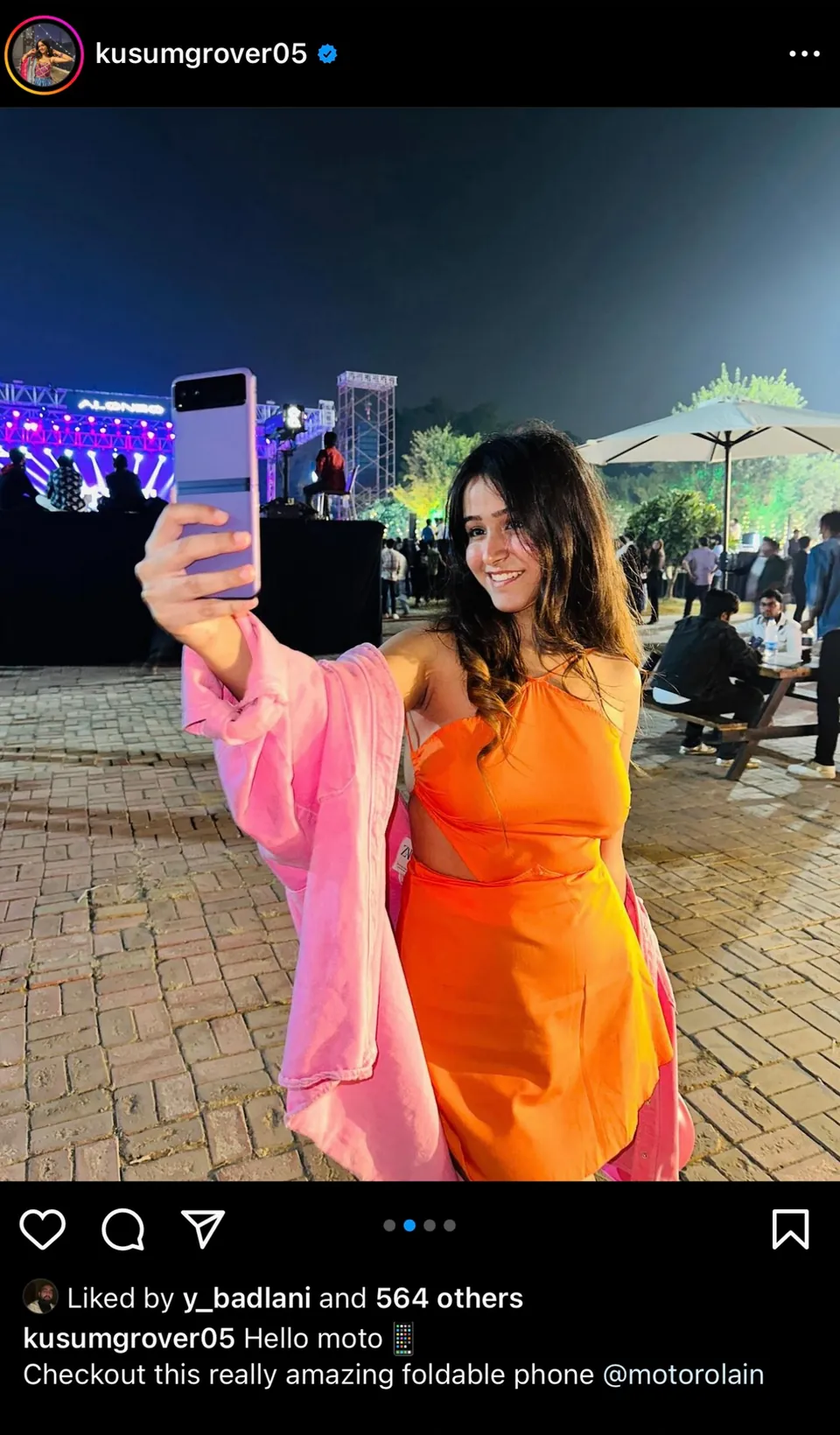
The team has run sampling and activation programmes for Pee Safe, ITC, Bombay Shaving Company, Starbucks, EatSure and Philips, and launch activations for Motorola, vivo, OPPO, KTM and Bajaj Pulsar on campuses across the country. Across FMCG, D2C and beauty and grooming, the lesson is the same: trial converts when it is explained, traced and followed up.
Where and when to sample Gen Z in India
The college calendar decides the campus half: August to October and January to March are the windows, exam weeks are dead. Hostels and PGs work in the evening, canteens at lunch, gates in the morning. Fests are the high-volume moments. For young professionals, co-working floors and cafes work mid-week and gyms work early.
City matters as much as timing. A snack brand might start with hostel-heavy campuses in Pune, Noida and Ahmedabad, while a grooming brand might focus on engineering colleges in Chennai and Guwahati. Our city teams know which campuses respond to which categories, which is the difference between a plan on paper and a plan that works.
How we run a sampling and activation programme
- Brief: product, audience, cities, sample quantity, the action you want after the sample and timing.
- Plan in 48 hours: venues, formats, promoter count, creator plan, feedback mechanics, logistics and an indicative budget.
- Permissions and logistics: venue approvals, promoter recruitment and training, product dispatch and creative production.
- Run: city leads supervise every drop point, promoters and creators tracked daily, photo-verified reporting.
- Report: samples, feedback, redemptions, leads, footfall and content delivered, against the plan, with learnings for the next wave.
What Gen Z sampling and activations cost
A single-city sampling pilot across 10 to 15 colleges or venues typically sits in the ₹2 to 4 lakh range, excluding product. A fest activation with an experience zone, creators and lead capture runs ₹3 to 8 lakh per fest depending on scale. A national sampling wave across 100+ campuses in 10 or more cities, with ambassador follow-up and creator coverage, runs ₹15 to 35 lakh.
Promoter costs, logistics and venue fees are itemised. We price by drop point and sample delivered, not by day, so cost per sample is known before you ship product.
Who Gen Z sampling and activations work for
Any brand with a product that sells itself once tried: snacks, beverages, personal care, menstrual care, grooming, skincare, fragrances, consumer electronics and two-wheelers. It is also the right choice for apps that need a face-to-face explanation, where sampling becomes an install drive; see app user acquisition. Brands that want the activation to leave a lasting group behind should add community marketing, and consumer apps often combine all three.